Work Writing Projects
Substack LinkedIn GitHub
← Back to Work

Selected work

Go-to-Market

Three GTM motions across B2B healthcare, consumer software, and food retail.

  1. B2B · Healthcare

    Scriptase

    Document management for clinicians; word-of-mouth into private practices.

  2. Consumer · Mobile

    Let’s

    Grassroots install push into real-life meetup audiences; killed on flat retention.

  3. Retail · Food

    Fresh Fish

    Walmart pilot, then HEB on contract; built around a 48-hour shelf window.

B2B · Healthcare

Scriptase

The first version of Scriptase was deliberately simple. The first customers were Harbor Cardiology and a few other practices I had worked with directly. They signed up after I demoed the product in their offices, and I designed the early features and workflows around the feedback they gave me.

Marketing to physicians is expensive. Online channels and direct mail produce little for products in this segment, so the early motion was traditional sales: in-person calls and demos until word of mouth caught on. Once inbound calls started coming in, we layered a 7-day trial and a customer referral program, and most subsequent sign-ups came in through those two channels.

The recurring revenue model and high cost of acquisition meant retention was the actual mission, not a lagging metric. I organized fulfillment, support, and roadmap around that.
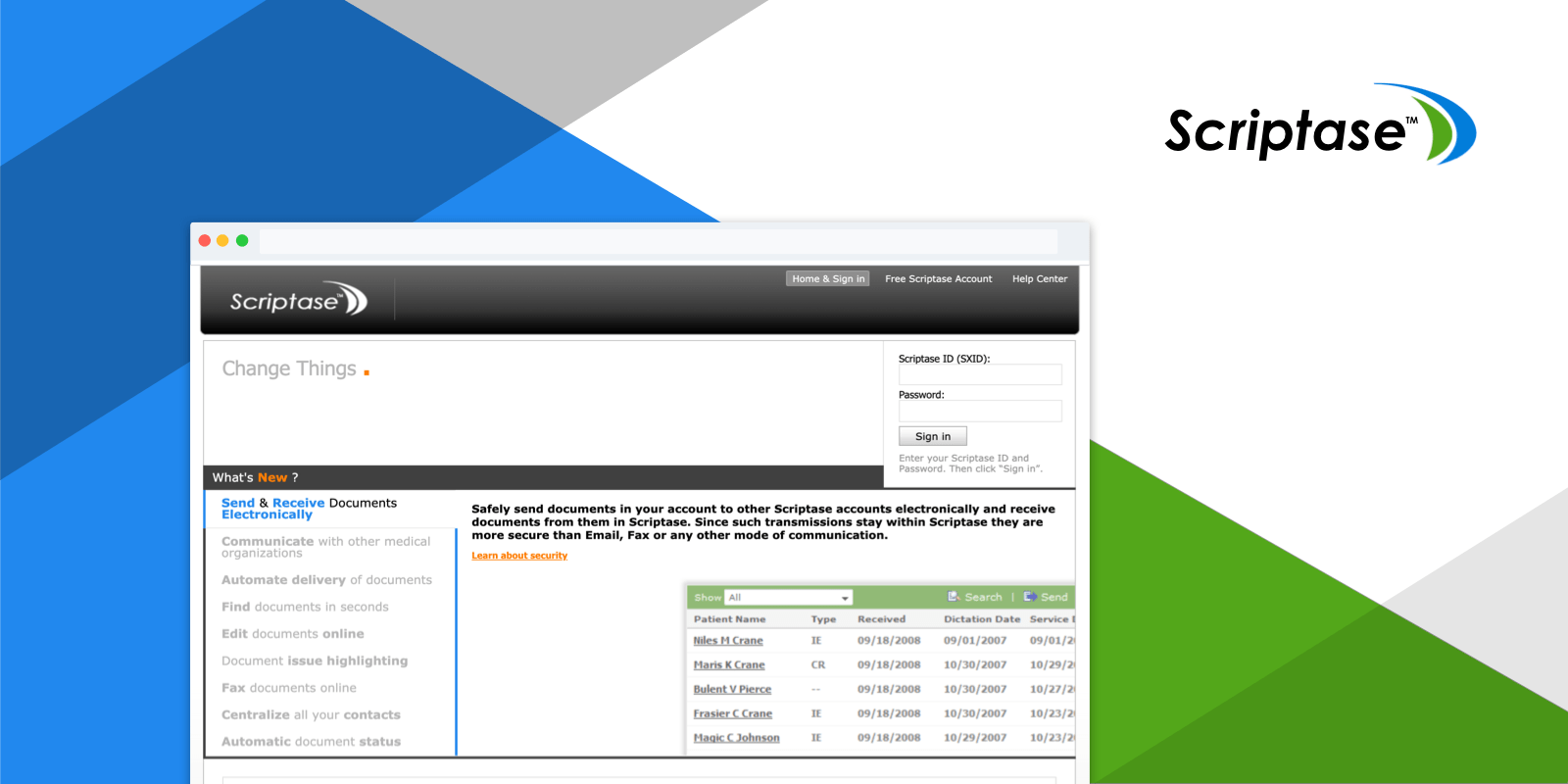
Scriptase — document management and delivery for clinicians

See the full Scriptase chapter.

Consumer · Mobile social

Let’s

We launched Let’s in 2017. The first push was grassroots. I worked with local organizations and interest groups to get the app into the hands of people likely to use it for real-life meetups, and I showed up regularly at local meetups myself. Alongside the grassroots push, I created the launch media and ran paid Facebook campaigns to amplify reach.

Installs grew to around 4,000. Engagement and retention told the same flat story. The GTM put the app in front of a willing audience, but the audience didn’t come back. The product didn’t address an immediate pain, and network effects would only kick in once we had enough people using it consistently.

See the full Let’s chapter.

Retail · Food

Fresh Fish

Fresh fish in the U.S. has a 48-hour window from harvest to retail shelf. Beyond that the product spoils. When Zalo Fresh entered the category in 2023, the retail GTM had to be built around that window.

I started with Walmart. I worked through their procurement firm to secure a 30-shipment pilot. We built the tracking system in parallel: cargo booking, transfer points, cold storage backups along the route, and frozen container fallback if the timing went wrong. Every shipment ran through standard operating procedures from harvest to delivery.

The 30 shipments cleared on quality. After the pilot we bid on full retail contracts. We made the final round with Kroger and started supplying to HEB, Texas’s largest grocery chain. The line did $600K in its first four months.

Fresh Fish — harvest to shelf in forty-eight hours A three-zone editorial diagram. Left: a stylised fishing boat over wave strokes, representing harvest in Brazil. Centre: a large editorial 48 in terracotta with a fine ink underline and the words hours, harvest to shelf in small caps. Right: a three-tier retail shelf with small product silhouettes and a status block listing HEB closed, Kroger final round, Walmart pilot. Gestural terracotta strokes connect the three zones across a dashed transit lane. A caption below names the operational backstops: cargo booking, cold-storage backups, frozen-container fallback along the route. Fresh Fish — Harvest to Shelf Harvest in Brazil Owned Coastal Farm Processed at Source Staged for Transit 48 hours, harvest to shelf U.S. Retail Shelf Walmart — Pilot HEB — Ongoing Cargo Booking Sequenced from Harvest Date Customs Pre-Cleared Route Logistics & Tracking Transfer Points Along the Route Continuous Temperature Audit Customs Clearance Destination QC & Delivery Last Mile Logistics Quality Checks Prior to Delivery Delivery to Distribution Center Operational Backstops — Along the Route

Forty-eight hours is the constraint; the system around it is the GTM. Owned harvest on one end, contracted shelves on the other, and three backstops holding the window between them.