Work Writing Projects
Substack LinkedIn GitHub
← Back to Work

Selected work

Product Leadership

Three instances of end-to-end and vertical product leadership in healthcare and consumer software.

Scriptase and Scriptase ONE workflow Two stages separated by a dashed boundary. Top stage (Scriptase, clinician surface): physician illustration on the left with three dictation channels listed to its right (phone-line, digital recorder, browser upload); clinician at a screen on the right with four record functions listed to its left (online document editing, fax + phone forward, HIPAA peer exchange, search and querying). Bottom stage (Scriptase ONE, production backbone): work allocation routes audio to a transcriptionist; transcription, editing, and QA produce a checked document; encrypted return seals the document back into Scriptase. A blue audio stroke drops on the left across the boundary; a blue document stroke rises on the right. Scriptase — Clinician Surface Physician Dictates Phone-Line Dictation Digital Recorder Browser Upload Clinician Review & Medical Records Online Document Editing Automated Fax Transmissions Electronic Document Exchange (HIPAA Compliant) Search & Querying Audio Documents Work Allocation Audio Received from Scriptase Routed to a Transcriptionist Transcription, Editing & QA Online Document Editing Workflow-Embedded Checks Continuous Audit Encrypted Return HIPAA-Audited Handoff Back into Scriptase Scriptase ONE — Production Backbone

Scriptase fronted the clinician; Scriptase ONE ran the production. Both sides of the industry, paired and run together across the company’s life.

Scriptase

Scriptase was the document management product I founded i‑Script around in 2005. It needed to fit the workflow clinicians were already running. Physicians dictated using phone lines and digital voice recorders, then sent the resulting documents to other physicians by fax. HIPAA required every part of the audio and document chain to be tracked, encrypted, and auditable.

I designed Scriptase for the practice-level buyer. The decision sat with the practice owner or lead physician, who could evaluate the product, decide on it, and start using it within the same week. Selling to hospitals would have meant procurement cycles and a different product altogether: one with enterprise integrations and a much longer sales process.

The initial version covered basic document management and retrieval in digital formats, along with audio dictation uploads and management. Storage and access were HIPAA-compliant from day one. We expanded the product in subsequent versions with online document editing, phone-line integration, fax transmission, and a clinician-to-clinician exchange so practices on Scriptase could send documents to each other digitally under the same audit guarantees. I am near-fanatical about customer experience, and I continuously refined the workflows for intuitive use and minimal friction.

We grew Scriptase to 56 healthcare organizations with retention above 90%, and the product has been in continuous use since 2005. A small set of clinicians still uses it today.
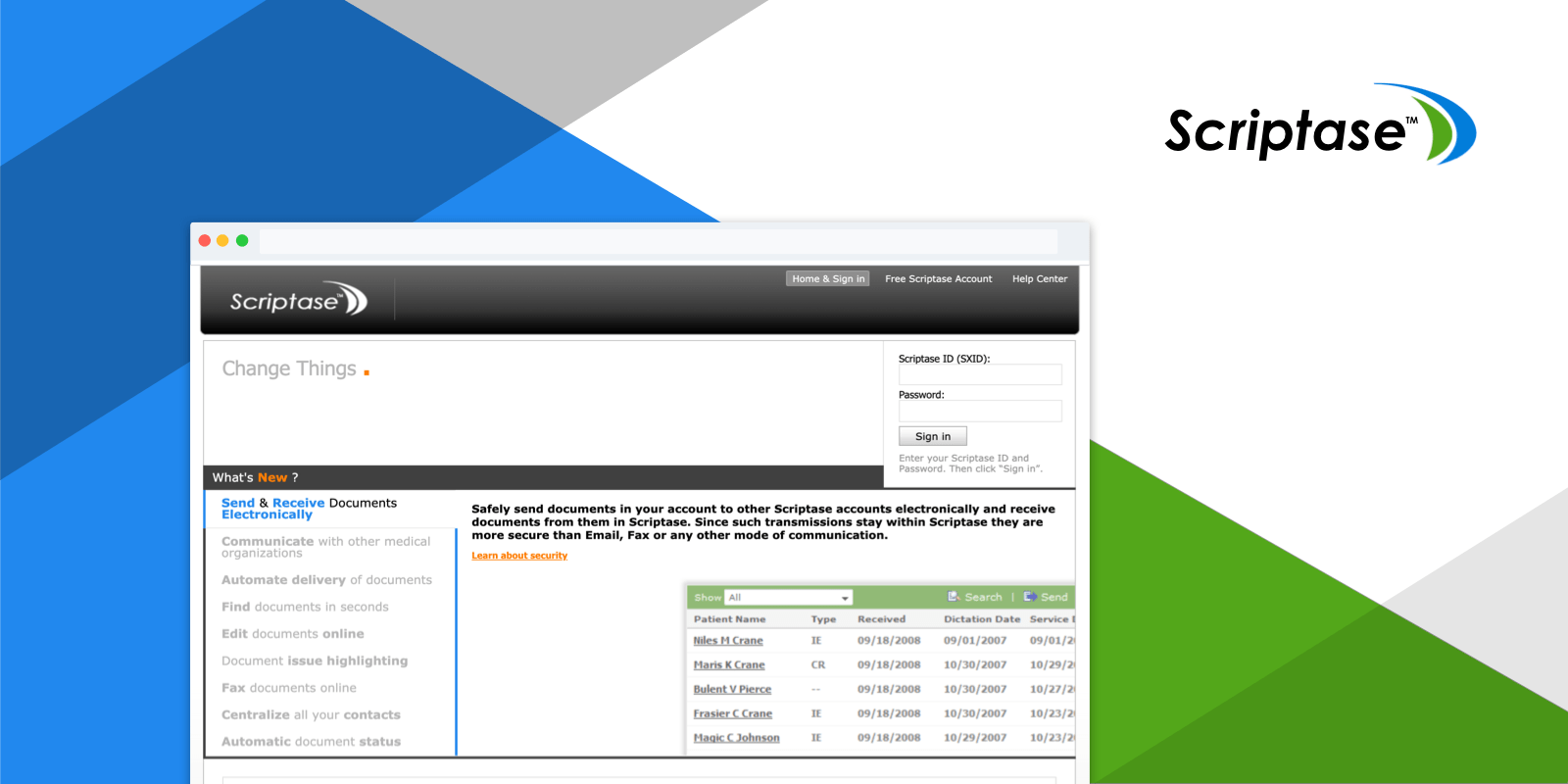
Scriptase — document management and delivery for clinicians

See the full Scriptase chapter.

Scriptase ONE

As Scriptase grew we ran into a production-side problem. Within a few years we were processing thousands of minutes of audio a day across multiple transcription vendors, each with their own quality and turnaround inconsistencies. The industry standard at that time was 24-hour turnaround at roughly 98% accuracy, and the firms running that work had no shared production infrastructure.

Scriptase ONE was the production platform we built to handle that. Phone integration let physicians dictate directly, using touch-tone controls similar to those on a digital recorder. Work allocation, embedded quality checks, encryption, and audit ran through the system end to end.

Turnaround dropped to 4 hours and accuracy rose above 99%. The improvements showed up directly in customer retention: clinicians on Scriptase were getting faster turnaround and more accurate documents than they could get anywhere else. i‑Script was featured in top-10 lists across several healthcare-industry sites and publications.

Once the platform had run inside i‑Script for some time, we licensed it to other transcription firms.

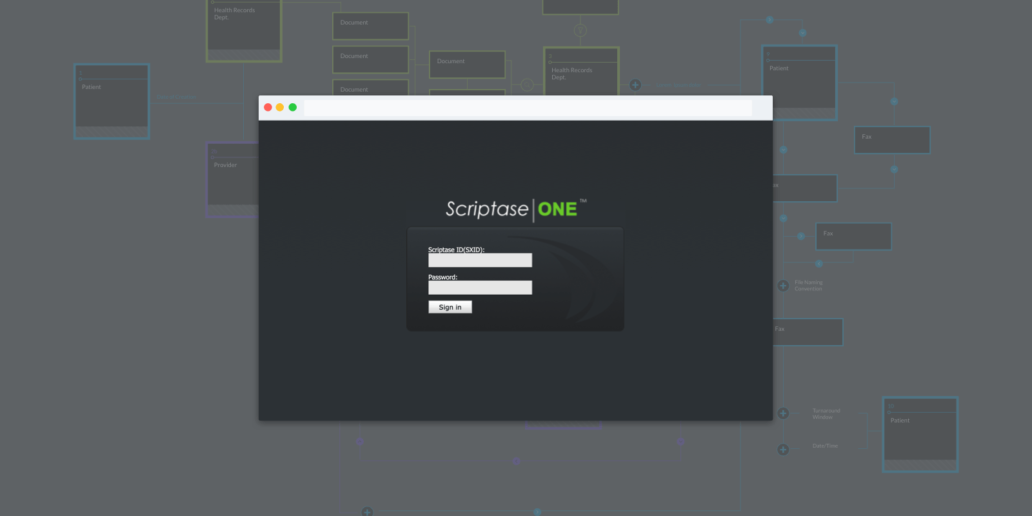
Scriptase ONE — production platform for medical documentation firms

See the full Scriptase ONE chapter.

Let’s

I founded Corli Co in 2016 to build Let’s, a consumer social platform for real-life meetups. The design phase ran through most of 2016. I prototyped the app in Sketch and InVision, working through use cases and workflows.

For the MVP I tried something I had not done before. I broke the application into discrete coding challenges and ran them as competitions on TopCoder, a platform that brokered work across more than a million developers. Two direct reports managed the funnel, and over a thousand engineers competed across the challenges. The model worked for self-contained tasks, but the pieces did not fit together well when stitched into a real application. The MVP that came out was buggy and uneven, and I rebuilt it with a small dedicated team afterward.

We launched in 2017 with engagement and retention instrumented from day one. We grew to around 4,000 installs and I ran the product on cohort data. People downloaded the app, looked at it, and rarely came back.

In early 2019 I ran structured PMF analysis on the data we had. There was no path forward without rebuilding the product around a different use case. I shut Let’s down in July 2019.

Let’s — consumer social platform for real-life meetups
“…brings an uncommon perseverance to delivering on whatever projects he undertakes, and an intuitive understanding of systems and processes.”
Balaji — Head of Deloitte Pixel
View on LinkedIn →

See the full Let’s chapter.